

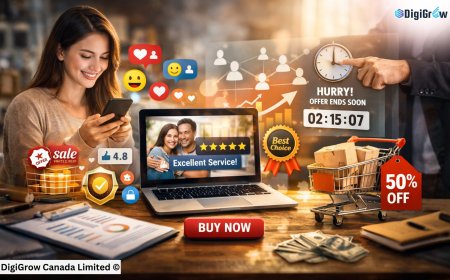


































The Rise of Social Commerce: Convert Followers into Customers
Discover how social commerce is transforming digital marketing. Learn strategies to convert social media followers into loyal customers and boost sales.


In the past decade, social media has evolved from a platform for social interaction into a critical tool for business growth. Today, it’s no longer enough for brands to simply maintain an active presence on platforms like Instagram, TikTok, or Facebook. Social media has become a direct sales channel, giving businesses the opportunity to convert followers into paying customers.
This phenomenon, known as social commerce, is transforming the way brands approach digital marketing. With users spending increasing amounts of time scrolling, liking, and engaging with content, brands that harness this behavior effectively can drive sales, enhance customer loyalty, and gain a competitive edge. Social commerce is more than a trend—it is shaping the future of e-commerce, offering seamless shopping experiences directly within social apps. Brands that fail to adapt risk being left behind in this rapidly evolving digital landscape.
For businesses looking to stay ahead, understanding social commerce and implementing effective strategies is essential. For more insights on evolving digital trends, check out Digigrow Blogs.


Understanding Social Commerce
Social commerce blends the interactivity of social media with the functionality of e-commerce, allowing users to discover, explore, and purchase products without leaving the platform. Unlike traditional online stores, social commerce integrates shopping experiences directly into social apps, creating a frictionless path from discovery to purchase. With millions of users worldwide actively browsing and engaging on social networks, brands have a unique opportunity to reach their target audience where they spend most of their time.
Platforms such as Instagram, TikTok, Facebook, Pinterest, and YouTube are leading this transformation by enabling features like shoppable posts, live-streamed product demonstrations, and personalized recommendations. Social commerce isn’t limited to large brands; small businesses and startups can equally benefit by leveraging interactive content, influencer collaborations, and targeted campaigns. According to research, global social commerce sales are expected to surpass billions in the next few years, underscoring its growing significance.
Why Social Commerce Matters
The shift toward social commerce is driven by changing consumer behavior and expectations. Modern shoppers prioritize convenience, speed, and seamless experiences. Social commerce eliminates the need to leave a social app to complete a purchase, allowing customers to act on impulse while engagement is high. This immediacy not only increases sales but also strengthens the connection between brands and their audiences.


Moreover, social commerce allows brands to build trust through interactivity. Consumers are more likely to purchase from brands that engage with them through comments, stories, and live sessions. Recommendations from friends, influencers, and even user-generated content add credibility, making it easier to convert followers into loyal customers. Social commerce also enables businesses to gather first-party data, helping refine marketing strategies, personalize content, and deliver relevant offers. By combining convenience, engagement, and data-driven insights, social commerce offers a holistic approach to driving growth.
Key Strategies to Boost Social Commerce
To succeed in social commerce, brands must focus on creating seamless, engaging, and personalized shopping experiences. Shoppable posts and stories allow businesses to tag products directly in images or videos, enabling users to purchase with minimal effort. Influencer partnerships remain a powerful strategy, as creators can authentically showcase products and influence purchasing decisions among their followers.
Equally important is the role of user-generated content. When customers share their experiences, they provide social proof that encourages new buyers to trust the brand. Live commerce is another growing trend, where brands host interactive streams to demonstrate products, answer questions in real-time, and drive immediate sales. This approach not only boosts engagement but also creates excitement around product launches or promotions. Personalization and retargeting campaigns further enhance effectiveness by ensuring users see products that align with their interests, increasing the likelihood of conversion. Brands that combine these strategies create a dynamic ecosystem where followers are continuously engaged, nurtured, and converted into loyal customers.
Overcoming Common Challenges
While social commerce offers immense potential, businesses must navigate several challenges to succeed. Overloading followers with excessive promotions can lead to disengagement. Brands must balance promotional content with value-driven posts that educate, entertain, or inspire their audience. Mobile optimization is another critical factor; social commerce experiences must be fast, responsive, and easy to navigate across devices.
Additionally, maintaining a cohesive brand story is essential. Every post, live stream, or ad should reflect the brand’s identity, values, and promise. Neglecting analytics and performance tracking can hinder growth, as businesses may miss valuable insights about what resonates with their audience. By proactively addressing these challenges, brands can ensure that social commerce strategies deliver measurable results while strengthening long-term relationships with customers.
Tools and Technologies for Social Commerce
To implement an effective social commerce strategy, brands must leverage the right tools. Social shopping platforms like Shopify, Ecwid, and Instagram Shopping provide integrated solutions for product listings, checkout processes, and order management. Analytics tools help track engagement, conversion rates, and customer behavior, enabling data-driven decisions. CRM systems allow brands to nurture leads, build loyalty programs, and deliver personalized experiences that keep customers returning.
Additionally, businesses can utilize advertising solutions within social platforms to reach targeted audiences with precision. Paid campaigns complement organic social efforts, expanding reach and driving conversions. Integration of these tools creates a cohesive ecosystem where content, commerce, and customer insights work in harmony to optimize results. For professional guidance on setting up social commerce solutions, consider reaching out to Digigrow Contacts.
Social commerce is no longer a future concept—it’s an active, transformative force in digital marketing. By integrating shopping experiences into social platforms, brands can meet customers where they are, delivering convenience, personalization, and engagement in a single experience. Those who embrace shoppable content, influencer partnerships, live commerce, and data-driven personalization will see increased conversions, stronger brand loyalty, and long-term growth.
For businesses ready to lead in this space, the time to act is now. The brands that invest in social commerce today will dominate tomorrow’s marketplace. Let DigiGrow Canada Limited help you harness the power of social commerce, build a future-ready strategy, and convert your followers into loyal customers. Visit Digigrow, Or schedule a consultation.
What's Your Reaction?
 Like
0
Like
0
 Dislike
0
Dislike
0
 Love
0
Love
0
 Funny
0
Funny
0
 Angry
0
Angry
0
 Sad
0
Sad
0
 Wow
0
Wow
0