

























How AI Is Reshaping Future Digital Marketing Strategy
Discover how AI is reshaping digital marketing strategy, improving personalization, automation, and ROI while transforming future marketing trends.

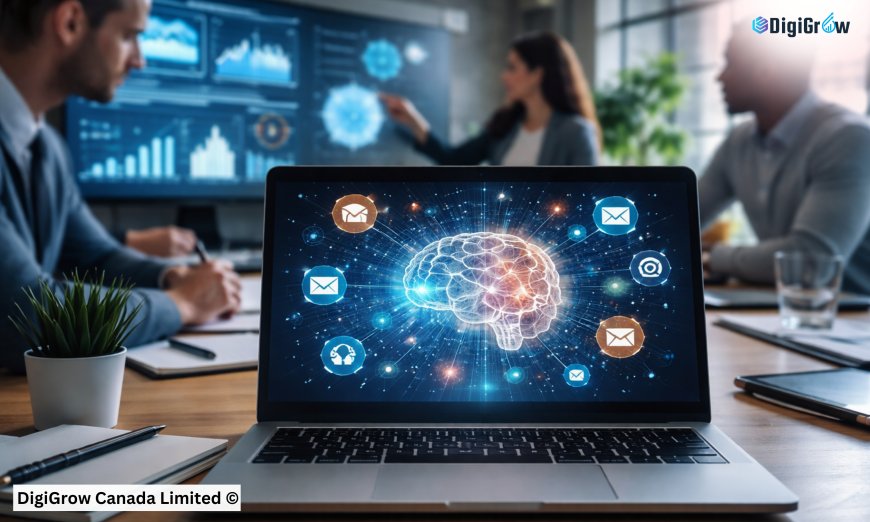
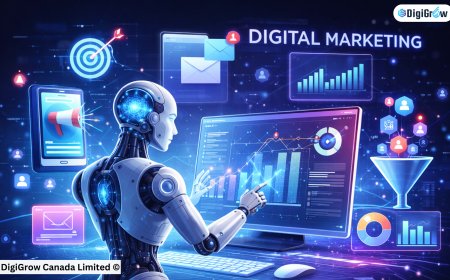
Artificial intelligence is rapidly transforming the way brands connect with audiences online. As businesses compete in an increasingly data-driven world, AI is becoming a core component of modern marketing strategy. From predictive analytics to automated customer engagement, AI is redefining how marketing campaigns are planned and executed.
The future of digital marketing strategy is deeply connected to machine learning algorithms, behavioral data interpretation, and real-time optimization. Companies that adopt AI-powered marketing tools are gaining stronger customer insights and achieving higher conversion rates. Understanding how AI is reshaping digital marketing strategy is essential for staying competitive in today’s fast-evolving business landscape.
Consumers now expect personalized experiences, instant responses, and relevant content. Artificial intelligence enables marketers to meet these expectations efficiently. As highlighted by industry leaders such as Salesforce, Inc., AI-driven marketing automation is already improving customer engagement and operational efficiency through intelligent insights.


Benefits of AI in Future Digital Marketing
Artificial intelligence offers multiple advantages for businesses looking to enhance their marketing performance. From customer targeting to content generation, AI technologies are making marketing campaigns smarter and more measurable. According to insights from the marketing technology industry, AI is becoming a central driver of competitive advantage. You can explore more about the AI marketing evolution.
Below are some of the most impactful benefits of AI in digital marketing strategy.
1. Hyper-Personalization of Customer Experience
One of the most significant advantages of AI in marketing is its ability to deliver personalized experiences at scale. Modern consumers prefer brands that understand their preferences, browsing behavior, and purchase history.


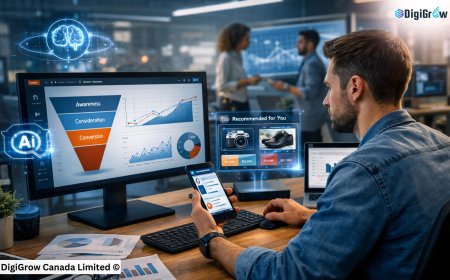
AI algorithms analyze customer interactions across multiple touchpoints to create customized recommendations. For example, e-commerce platforms can suggest products based on previous searches or purchase patterns. This level of personalization improves customer satisfaction and increases conversion probability.
Research shows that personalized marketing significantly improves engagement rates and customer loyalty. AI-driven recommendation engines are now standard in major digital platforms. Marketing professionals are using predictive modeling to anticipate consumer needs before customers even express them.
For marketers seeking a deeper understanding of audience behavior, reading about advanced campaign optimization can be helpful. By combining behavioral psychology and machine intelligence, businesses can design emotionally resonant marketing experiences that drive long-term customer relationships.
2. Automated Marketing Operations and Efficiency
Marketing teams spend a significant amount of time performing repetitive tasks such as email scheduling, customer segmentation, and performance reporting. AI-powered automation eliminates these operational burdens.
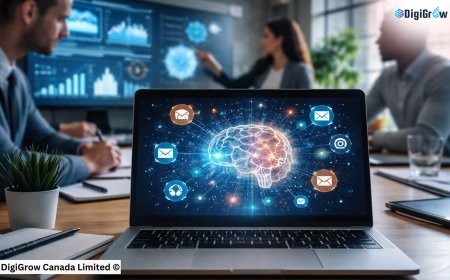
Machine learning systems can automatically optimize ad placements, manage customer interactions, and generate performance insights in real time. This allows marketing professionals to focus more on strategy and creativity rather than manual execution. Automation also reduces human error and improves campaign consistency. Chatbots powered by natural language processing can handle customer queries 24/7, enhancing brand responsiveness.
According to industry reports from leading CRM innovators, AI automation improves marketing productivity and ROI. The previously mentioned Salesforce, Inc. resource explains how AI-powered customer relationship management systems help businesses scale operations efficiently. Future marketing ecosystems will rely heavily on autonomous campaign management systems that adjust parameters dynamically based on user behavior and performance metrics.
3. Predictive Analytics for Smarter Decision Making
Predictive analytics is revolutionizing strategic marketing planning. AI models analyze historical and real-time data to forecast customer behavior, market trends, and product demand. Businesses can use predictive insights to determine the best time to launch campaigns, allocate advertising budgets, and target high-value customers. Instead of reacting to market changes, companies can proactively prepare marketing strategies.
For example, AI systems can predict customer churn risk by analyzing interaction frequency, purchase patterns, and service feedback. This enables brands to implement retention strategies before customers disengage.
The integration of predictive analytics into marketing decision-making is becoming standard across industries. Organizations are investing heavily in data science infrastructure to maintain a competitive advantage. For businesses exploring professional marketing guidance or collaboration opportunities, visit digigrow for expert consultation and strategic support.
4. Content Generation and Marketing Creativity
AI is also reshaping how marketing content is produced. Generative algorithms can assist in writing advertisements, social media posts, product descriptions, and even video scripts. Modern AI tools help marketers maintain consistent brand messaging across multiple channels. While human creativity remains essential, AI acts as a productivity multiplier rather than a replacement.
Content marketing strategies are evolving toward hybrid intelligence models where human marketers collaborate with machine learning systems. AI can analyze trending topics, suggest keyword opportunities, and optimize content structure for search engines.
High-quality content is essential for improving brand visibility. Marketing platforms that integrate AI-driven content intelligence are experiencing higher organic traffic and engagement rates. As noted in digital marketing research, AI-supported content strategies help brands maintain relevance in highly competitive online ecosystems.
5. Smarter Advertising and ROI Optimization
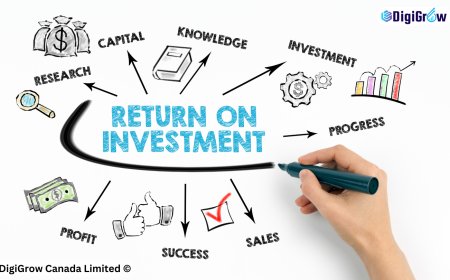
Digital advertising has become highly complex due to audience fragmentation and platform diversity. AI simplifies ad optimization by continuously analyzing performance data. Machine learning models can automatically adjust bidding strategies, audience targeting, and creative variations. This ensures maximum return on advertising investment.
Programmatic advertising is one of the fastest-growing applications of AI in marketing. Instead of manually selecting ad placements, algorithms decide optimal placements based on user intent signals.
Brands using AI-powered advertising platforms experience improved click-through rates and reduced customer acquisition costs. Marketing budgets are becoming more efficient as AI systems learn from campaign outcomes. Industry experts highlight that future advertising ecosystems will be dominated by intelligent automation technologies.
Significance of AI in Future Marketing Ecosystems
Artificial intelligence is not just a technological trend; it is fundamentally reshaping the philosophy of marketing itself. Businesses that fail to adopt AI-driven strategies risk losing competitive advantage.
Transformation of Customer Relationship Management
Customer relationship management is evolving from reactive communication to predictive relationship building. AI systems can analyze customer emotions, preferences, and purchase intent. Instead of sending generic promotional messages, brands can deliver context-aware interactions that feel natural and helpful. This shift improves brand trust and long-term customer retention. The integration of AI into CRM platforms is accelerating digital transformation across industries. Modern marketing leaders are investing in intelligent customer intelligence platforms.
Real-Time Marketing Intelligence
Future marketing environments will operate on real-time intelligence networks. AI systems can monitor social media sentiment, market reactions, and competitor activity simultaneously. If customer sentiment changes, marketing campaigns can be automatically adjusted. This level of responsiveness was impossible using traditional marketing approaches. Real-time analytics also helps brands respond to viral trends quickly, allowing businesses to capitalize on emerging opportunities.
Ethical AI and Responsible Marketing
As AI adoption increases, ethical considerations become more important. Data privacy, algorithmic transparency, and bias prevention are critical issues.
Responsible AI marketing ensures that customer data is handled securely and used transparently. Regulatory frameworks are expected to evolve as AI becomes more integrated into commercial ecosystems. Marketing organizations must balance innovation with ethical responsibility to maintain consumer trust.
Future Workforce and Marketing Skills Evolution
AI will not eliminate marketing professionals but will redefine their roles. Future marketers will need skills in data interpretation, strategic thinking, and AI tool management. Creativity, emotional intelligence, and brand storytelling will remain human strengths. AI will primarily handle technical optimization and large-scale data processing.
Educational institutions and professional training platforms are already adapting marketing curricula to include artificial intelligence and machine learning fundamentals. Artificial intelligence is fundamentally transforming how businesses design and execute digital marketing strategies. From hyper-personalization and automation to predictive analytics and intelligent advertising, AI is shaping the future of customer engagement.
Organizations that embrace AI-powered marketing technologies will gain stronger competitive advantages, improved efficiency, and higher customer satisfaction. The evolution of marketing is moving toward intelligent, data-driven, and customer-centric ecosystems.
If you want to explore more about audience behavior optimization, read our article on the psychology behind high-converting campaigns. For professional guidance on implementing advanced marketing strategies, visit Digigrow Canada, or schedule a consultation to get expert advice today!
Stay ahead of the digital transformation curve by exploring innovative marketing insights and sharing your thoughts on the future of AI in marketing.
What's Your Reaction?
 Like
0
Like
0
 Dislike
0
Dislike
0
 Love
0
Love
0
 Funny
0
Funny
0
 Angry
0
Angry
0
 Sad
0
Sad
0
 Wow
0
Wow
0