































Performance Marketing vs Brand Marketing: Finding the Right Balance
Learn the difference between performance marketing vs brand marketing and why balancing both strategies helps businesses achieve long-term growth and better ROI.

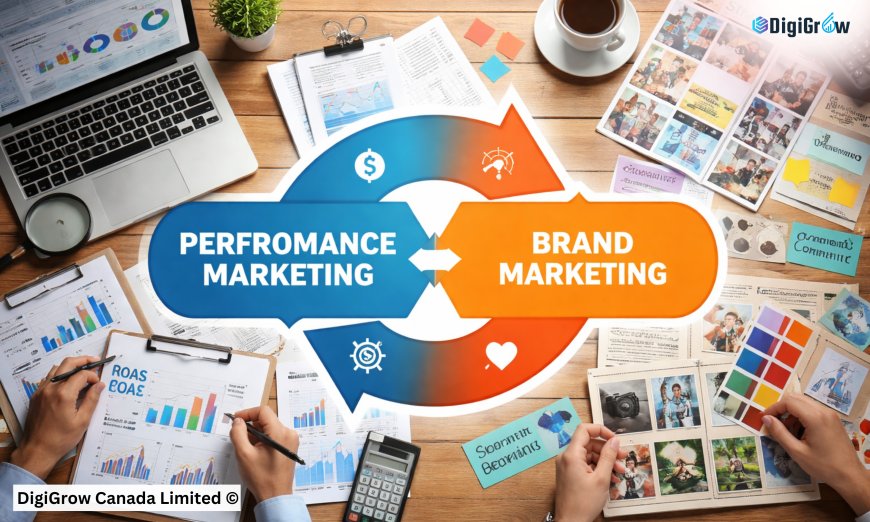
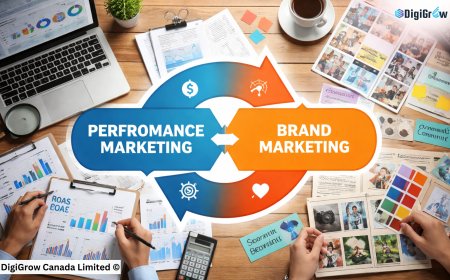
The debate around performance marketing vs brand marketing has become increasingly important as businesses compete for attention in a crowded digital marketplace. Many companies focus heavily on performance marketing because it delivers quick and measurable results. However, brands that prioritize only short-term conversions often struggle to build lasting customer relationships and long-term recognition.
Brand marketing, on the other hand, focuses on storytelling, trust, and emotional connection with audiences. While it may not deliver immediate conversions, it plays a vital role in shaping how customers perceive and remember a business. In reality, the most successful companies don’t choose one approach over the other—they combine both. When performance marketing and brand marketing work together, businesses can drive immediate results while building long-term authority and sustainable growth.
Driving Short-Term Results Without Sacrificing Long-Term Growth
Performance marketing is built around measurable actions. Every campaign is designed to generate specific outcomes such as clicks, sign-ups, leads, or purchases. Platforms like Google Ads, social media advertising, affiliate marketing, and programmatic campaigns allow businesses to track every interaction and understand exactly what drives conversions.


This makes performance marketing extremely attractive, especially for businesses that want quick results. However, relying only on performance campaigns can become expensive over time. As advertising competition increases, the cost of acquiring new customers rises. Without strong brand recognition, businesses must continuously spend on advertising just to maintain traffic and conversions.
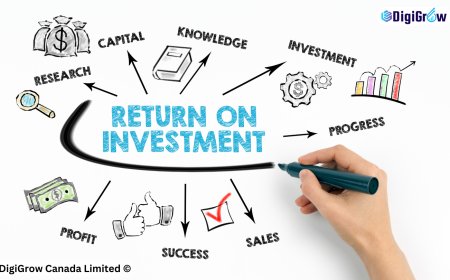
Brand marketing helps solve this problem by building familiarity and trust with audiences. When consumers recognize a brand and understand its value, they are more likely to click on ads, explore products, and eventually convert. According to insights discussed in this analysis of marketing strategies, companies that invest in both brand awareness and performance campaigns typically achieve stronger and more sustainable returns on investment.
In other words, performance marketing can drive quick wins, but brand marketing ensures those wins translate into long-term growth.


Building Trust in Highly Competitive Industries
Trust is one of the most important factors influencing purchasing decisions today. Consumers have access to endless options online, and they often research extensively before committing to a product or service. In this environment, companies that build strong brands have a significant advantage.
Brand marketing focuses on establishing authority and credibility over time. Through consistent messaging, helpful content, and meaningful engagement, businesses can position themselves as trusted sources of information and solutions. This is particularly important in industries where expertise and reliability play a major role.
For example, industries related to Canada Immigration, Canada Visa services, and updates from IRCC require clear communication and trustworthy information. People searching for guidance about immigration policies or application processes are far more likely to trust organizations that consistently publish helpful insights and updates.
Informational content, such as discussions around policy changes or immigration trends, can significantly strengthen brand credibility. An example of such industry insights can be seen in discussions about immigration updates, like this article on LMIA processing times and its impact on immigration decisions.
Content that educates readers not only builds authority but also keeps audiences engaged with the brand over time. When these readers later encounter targeted performance ads from the same organization, they are much more likely to respond positively.
Creating a Strong and Effective Customer Journey
Modern consumers rarely make decisions instantly. Instead, they move through several stages before taking action. They might first discover a brand through social media content or a blog article. Later, they may search for more information, read reviews, or compare different providers before finally making a decision.
Brand marketing plays a crucial role during the early stages of this journey. It introduces the company to potential customers and helps them understand what the brand stands for. This might happen through storytelling campaigns, educational content, podcasts, or thought-leadership articles.
Once awareness has been established, performance marketing becomes more effective. Targeted advertisements, remarketing campaigns, and search engine marketing guide users toward taking specific actions such as signing up for a service or making a purchase.
When these strategies work together, they create a seamless marketing funnel. A potential customer might first encounter a helpful article or social media post that builds awareness. Later, a targeted ad reminds them of the brand and encourages them to explore further. By the time they reach the decision stage, the brand already feels familiar and trustworthy.
Without brand marketing, performance campaigns often struggle to convert audiences who have never heard of the business before. Conversely, brand awareness without performance strategies may fail to generate measurable results. Combining both approaches ensures that each stage of the customer journey is supported.
Improving Marketing Efficiency and Reducing Costs
Another important advantage of balancing performance and brand marketing is improved efficiency. Businesses that invest in brand awareness often experience lower advertising costs over time because their audiences are already familiar with them.
When people recognize a brand name, they are more likely to click on advertisements and engage with marketing messages. This leads to higher click-through rates and better conversion rates, which ultimately improve return on ad spend.
Brand recognition can also increase direct searches. Instead of discovering a business through generic keywords, consumers may search for the brand name itself. This type of organic demand significantly reduces the need for constant paid promotion.
In addition, strong brands tend to benefit from word-of-mouth marketing. Satisfied customers share their experiences with friends, family, and online communities, bringing new audiences to the brand without additional advertising costs. Over time, this combination of brand trust and performance optimization allows businesses to scale their marketing efforts more efficiently while maintaining profitability.
Using Data to Strengthen Both Strategies
One of the most powerful aspects of performance marketing is the availability of detailed data. Marketers can track how audiences interact with ads, which keywords generate conversions, and which types of content drive the most engagement.
This information provides valuable insights that can be used to strengthen brand marketing strategies. For example, if data reveals that audiences respond strongly to educational content about immigration policies, companies can expand those topics in blog posts, videos, and social media discussions.
Similarly, brand marketing initiatives can help improve performance campaigns. A strong brand identity makes advertisements more recognizable and trustworthy, which increases the likelihood that users will engage with them. By combining brand storytelling with data-driven insights, businesses can continuously refine their marketing strategies and improve overall results.
The discussion around performance marketing vs brand marketing is not about choosing one strategy over the other. Both approaches serve different but equally important purposes in modern marketing.
Performance marketing delivers measurable outcomes and helps businesses generate leads, sales, and conversions quickly. Brand marketing builds trust, credibility, and long-term recognition that keeps customers returning over time. When these strategies work together, they create a powerful marketing system that supports both immediate revenue and sustainable growth.
Businesses that successfully balance brand awareness with performance campaigns are better positioned to attract new audiences, maintain customer loyalty, and stay competitive in evolving digital markets.
If you want expert guidance on improving your marketing strategy and building a stronger digital presence, you can connect with professionals who specialize in strategic growth and digital marketing solutions. Visit Digigrow, or schedule a consultation today to explore tailored strategies for your business.
What's Your Reaction?
 Like
0
Like
0
 Dislike
0
Dislike
0
 Love
0
Love
0
 Funny
0
Funny
0
 Angry
0
Angry
0
 Sad
0
Sad
0
 Wow
0
Wow
0