




























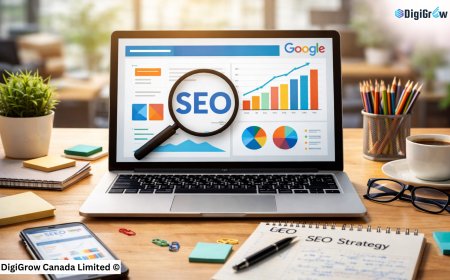



How to Plan a 3-Month Digital Strategy Without Hiring a Marketing Team
Plan a results-driven 3-month digital marketing strategy without hiring a team. Boost visibility, attract leads & grow your business on a budget.

In today’s fast-moving digital landscape, building a strong online presence is vital for businesses of all sizes—but not everyone can afford a full-time marketing team. The good news? With a structured, strategic plan, you can execute a powerful 3-month digital strategy on your own. Whether you're an entrepreneur, small business owner, or startup founder, this guide will walk you through creating a results-driven plan that boosts your visibility, attracts leads, and grows your business without hiring in-house marketers.
Let’s explore how.
1. Cost-Efficiency and Budget Control
Hiring a full-time marketing team or agency can quickly drain your budget. Planning your digital strategy in-house gives you full control over where and how you spend.


Instead of fixed monthly retainers or salaries, you can allocate funds to tools, software, and ad spend as needed. According to Intergrowth, in-house digital efforts are often more budget-conscious, especially for startups and small teams.
Want to apply this to your industry? Check out how driving schools can gain more students using social media.
2. Greater Flexibility and Speed
Without a marketing team, there’s no bureaucracy or approvals needed to move forward. You can implement, test, and pivot strategies much faster. This agility is essential in digital marketing, where algorithms, consumer behaviors, and trends shift rapidly.


Plus, you’re free to adapt campaigns in real time. Notice a trending topic in your industry? Create and publish a post within the hour. See a competitor's campaign getting traction? Launch a counter-message quickly. This speed of execution offers a major edge over slower, layered teams.
3. Hands-On Understanding of Your Audience
Running your own digital campaigns forces you to engage directly with your audience. You’ll learn what content they like, what messages resonate, and what channels perform best. This hands-on experience will make your future marketing—whether in-house or outsourced—more effective.
You’ll also start seeing patterns in user behavior. Are most of your clicks coming from LinkedIn? Is your audience more active in the evenings? These insights help fine-tune your posting schedule, ad targeting, and content format for maximum impact.
4. Opportunity to Build Foundational Content Assets
The first 90 days are ideal for creating foundational content like blogs, email sequences, lead magnets, and landing pages. These assets serve as the backbone of your online presence and drive results long after they’re published.
A blog on your website, for example, can bring consistent traffic via search engines when optimized for SEO. Even one high-performing article can drive results for months.
You might also consider developing evergreen content: how-to guides, FAQs, and educational resources that address timeless challenges in your industry. These provide value continuously without requiring frequent updates.
5. Avoiding Common Hiring Pitfalls
According to Insidea, hiring a digital marketer without clearly defined goals can lead to wasted time and resources. If you don’t yet know what works for your audience, managing the work yourself will clarify your objectives before scaling or hiring.
Plus, by doing the work yourself first, you’ll know exactly what to look for in a marketing hire or agency later on. You'll understand timelines, expected ROI, and how to measure success.
Month 1: Research, Planning & Content Foundation
-
Define your goals (leads, traffic, brand awareness?)
-
Identify your audience personas
-
Conduct a website and SEO audit
-
Set up Google Analytics and Search Console
-
Create a blog calendar for 3 months
-
Publish 4 long-form blog posts
-
Start building an email list with lead magnets (e.g., checklists, free guides)
-
Design your first downloadable asset (e.g., PDF guide or ebook)
Month 2: Promotion & Engagement
-
Share content consistently on social media platforms (LinkedIn, Instagram, Facebook)
-
Engage with relevant industry communities and groups
-
Start a weekly newsletter
-
Begin light ad testing with small budget campaigns on Facebook or Google
-
Reuse blog content for carousels, short videos, and posts
-
Launch a poll or survey to gather audience insights and content ideas
Month 3: Optimization & Scaling
-
Analyze content and campaign performance
-
Adjust keywords, headlines, and visuals
-
Republish or update underperforming content
-
Increase budget for top-performing ads
-
Collaborate with micro-influencers or relevant partners for guest posts or mentions
-
Add testimonials, case studies, or client reviews to key landing pages
-
Create a content repurposing plan to scale distribution (e.g., convert blog to video, infographic, or email drip series)
You don’t need to hire a full-time marketing team to build a strong digital presence. With a focused 3-month strategy, a bit of planning, and the right tools, any entrepreneur or small business can start growing their brand, reaching new audiences, and driving sales online.
Digital success starts with clarity, consistency, and creativity—not a massive team. Start small, stay strategic, and build from there.
Need help tailoring this plan to your business? Visit Digigrow or schedule a consultation via WhatsApp to get personalized insights and strategies that fit your growth stage.
Whether you're managing a driving school, a startup, or a solo consultancy—start building momentum today, one smart step at a time.
What's Your Reaction?
 Like
0
Like
0
 Dislike
0
Dislike
0
 Love
0
Love
0
 Funny
0
Funny
0
 Angry
0
Angry
0
 Sad
0
Sad
0
 Wow
0
Wow
0