





























Hidden Power of Websites in Digital Marketing Success
Discover why a professional website is essential for digital presence, SEO, lead generation, and digital marketing success in today’s competitive online world.


Table of Contents
- Hidden Power of Websites in Digital Marketing Success
- Your Website Is Your Digital Headquarters
- A Website Builds Trust and Brand Authority
- Search Engines Depend on Websites
- Websites Turn Traffic Into Leads and Sales
- Paid Advertising Performs Better With a Website
- Websites Support Content Marketing Strategies
- Mobile Experience and User Expectations
- Data, Insights, and Continuous Improvement
- Long-Term Value and Scalability
- Conclusion: A Website Is Not an Option—It’s a Necessity
- Need a new website?
-
Hidden Power of Websites in Digital Marketing Success
In today’s digital-first world, having a strong online presence is no longer optional—it is essential. Whether you run a small local business, a service-based brand, or a growing enterprise, your digital presence determines how customers discover, evaluate, and trust you. At the center of that presence lies one critical asset: your website.
While social media platforms, marketplaces, and third-party directories play an important role in visibility, none of them can replace the power, control, and credibility of a well-built website. From digital marketing performance to brand authority and lead generation, your website is the backbone of everything you do online.
-
Your Website Is Your Digital Headquarters
Think of your website as your digital headquarters. Social media channels are rented spaces, algorithms change constantly, and platforms can limit your reach overnight. Your website, however, is fully owned by you. You control the design, messaging, user experience, and customer journey.
In digital marketing, consistency matters. A website ensures that your brand voice, visuals, and value proposition remain aligned across all channels. Every campaign—whether it’s social media marketing, email marketing, paid ads, or SEO—ultimately leads users back to your website. Without a strong site, even the best campaigns lose effectiveness.
A professional website signals legitimacy. When potential customers search for your brand and find a well-structured, modern website, it instantly builds trust. Without one, many users will question your credibility and move on to competitors who appear more established.
-
A Website Builds Trust and Brand Authority
Trust is the currency of digital marketing. Consumers today research extensively before making decisions. They read reviews, explore websites, compare services, and look for signs of expertise. A website allows you to showcase your brand story, values, services, testimonials, case studies, and achievements in one place. Unlike social platforms, where content disappears quickly, your website provides permanent, searchable proof of your expertise.
Design also plays a major role in perception. A slow, outdated, or cluttered website can damage your brand image instantly. On the other hand, a fast, mobile-friendly, and visually appealing site creates confidence and encourages users to engage further. In digital marketing, first impressions often determine whether a visitor becomes a lead or leaves within seconds.
-
Search Engines Depend on Websites
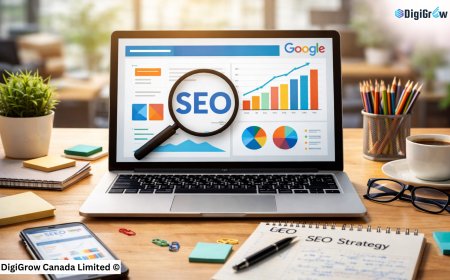
Search engine optimization (SEO) is one of the most powerful long-term digital marketing strategies, and it begins with a website. Search engines like Google prioritize websites when delivering results. Without a website, your chances of appearing in organic search results are extremely limited.
A properly optimized website helps your business rank for relevant keywords, attract qualified traffic, and generate consistent leads without relying solely on paid ads. Blog content, service pages, landing pages, and local SEO elements all work together to increase visibility.
SEO also compounds over time. Every piece of optimized content you publish strengthens your authority and improves discoverability. Social media posts may generate short-term engagement, but website content continues to bring traffic months or even years later.
-
Websites Turn Traffic Into Leads and Sales
Visibility alone is not enough. Digital marketing success depends on conversion, and websites are designed specifically for that purpose. A website guides users through a structured journey. From the moment they land on your homepage, they can explore services, understand benefits, read testimonials, and take action. Strategic call-to-actions, contact forms, booking tools, and landing pages turn visitors into leads.
Unlike social platforms, where users are often distracted, a website keeps attention focused on your offer. With the right messaging and design, you can influence decisions, answer objections, and move users closer to conversion. For service-based businesses especially, a website acts as a 24/7 sales representative. Even when you are offline, your site continues to attract, educate, and convert potential clients.
-
Paid Advertising Performs Better With a Website
Digital advertising without a strong website is like pouring water into a leaking bucket. Whether you are running Google Ads, social media ads, or retargeting campaigns, your website determines the return on investment.
Ads drive traffic, but the website closes the deal. A dedicated landing page with clear messaging, fast load speed, and optimized structure significantly improves conversion rates. Without it, users may click your ad and leave immediately due to confusion or lack of trust.
Additionally, websites allow advanced tracking and analytics. You can measure user behavior, identify drop-off points, test variations, and continuously optimize performance. These insights are crucial for scaling digital marketing campaigns effectively.
-
Websites Support Content Marketing Strategies
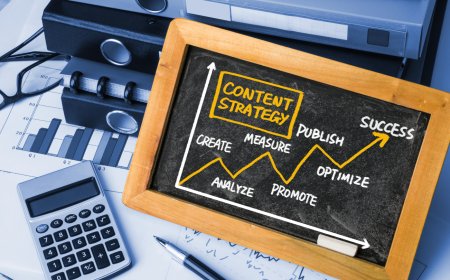
Content marketing is a core pillar of digital marketing, and a website is where content delivers the most value. Blogs, guides, case studies, and educational resources help you attract users at different stages of the buyer journey.
When you publish valuable content, you demonstrate expertise while addressing real customer problems. This builds trust long before a sales conversation begins. Over time, content-driven websites become industry resources that customers return to repeatedly.
Content also fuels other channels. Blog posts can be repurposed into social media content, email newsletters, and ad creatives. Without a website to host this content, your ability to build long-term engagement is limited.
-
Mobile Experience and User Expectations
Most digital interactions now happen on mobile devices. A website ensures that your brand experience is consistent across smartphones, tablets, and desktops. Modern users expect fast-loading pages, intuitive navigation, and responsive design. If your digital presence relies only on social platforms, you lose control over user experience. A website allows you to optimize performance, accessibility, and usability according to your audience’s needs.
Mobile-friendly websites also improve search rankings and ad performance, making them essential for digital marketing success.
-
Data, Insights, and Continuous Improvement
A website provides valuable data that helps improve marketing decisions. Tools like Google Analytics and heatmaps show how users interact with your content, which pages perform best, and where improvements are needed.
This data-driven approach allows businesses to refine messaging, improve user journeys, and increase conversion rates over time. Without a website, you miss out on critical insights that drive smarter marketing strategies. In digital marketing, optimization is ongoing. A website gives you the foundation to test, learn, and grow continuously.
-
Long-Term Value and Scalability
Unlike social posts or paid ads that stop working once the campaign ends, a website is a long-term asset. As your business grows, your website can scale with you—adding new services, locations, content, and features without starting from scratch. It becomes the central hub that supports every marketing initiative, from brand awareness to lead nurturing and customer retention.
-
Conclusion: A Website Is Not an Option—It’s a Necessity
In the digital marketing ecosystem, a website is not just another tool—it is the foundation that holds everything together. It builds credibility, drives traffic, converts leads, supports SEO, enhances paid campaigns, and creates long-term value for your brand.
Without a website, your digital presence remains incomplete, scattered, and dependent on external platforms. With one, you gain control, authority, and the ability to grow strategically in a competitive online landscape.
-
Need a new website?
To understand how a high-performing website strengthens your digital presence and fuels long-term marketing success, explore DigiGrow’s expert insights or schedule a consultation today to turn your online strategy into measurable results. Our team of expert developers is committed to creating a unique and user-friendly website tailored to your specific needs.
What's Your Reaction?
 Like
0
Like
0
 Dislike
0
Dislike
0
 Love
0
Love
0
 Funny
0
Funny
0
 Angry
0
Angry
0
 Sad
0
Sad
0
 Wow
0
Wow
0