


























2026 Digital Marketing Predictions for Brand Growth
Discover the top digital marketing trends and predictions for 2026. Learn how AI, creators, sustainability, and consumer behavior will shape digital marketing strategies.

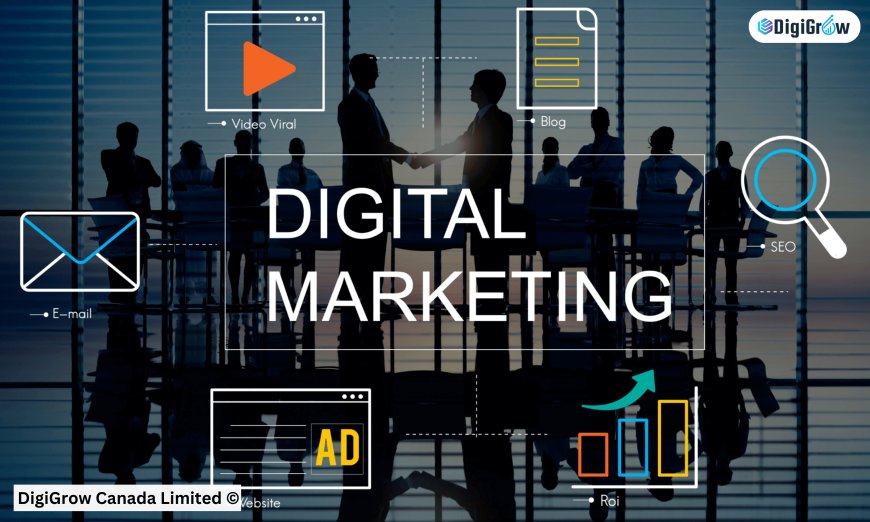
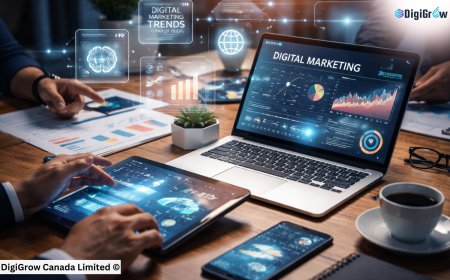
Digital marketing is evolving faster than ever, and digital marketing trends for 2026 are set to redefine how brands connect with consumers in a hyper-connected, AI-driven world. As technology advances and user expectations shift, businesses must rethink how they approach digital marketing services to stay relevant and competitive. From AI-powered search experiences to creator-led brand ecosystems, the coming year will reward brands that focus on authenticity, adaptability, and real value.
At DigiGrow Canada Limited, we closely track emerging digital marketing trends to help businesses future-proof their strategies. This article explores the significance of digital marketing trends in 2026, offering insights into what truly matters and how brands can prepare for long-term success.
Significance of Digital Marketing Trends for 2026
Understanding the significance of upcoming digital marketing trends is essential for brands that want sustainable growth, stronger engagement, and measurable ROI. Below are the most impactful aspects shaping the future of digital marketing in 2026.


AI-Driven Consumer Intent Is Redefining Digital Marketing
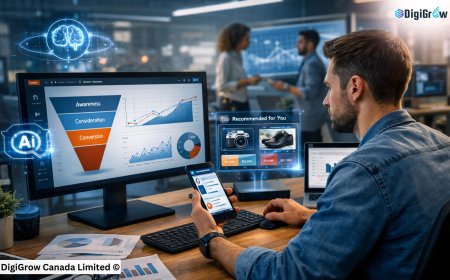
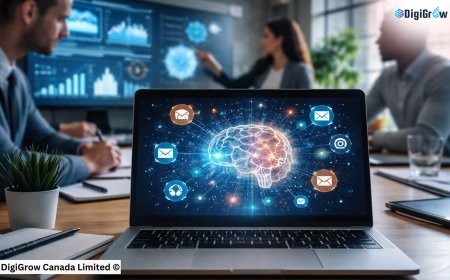
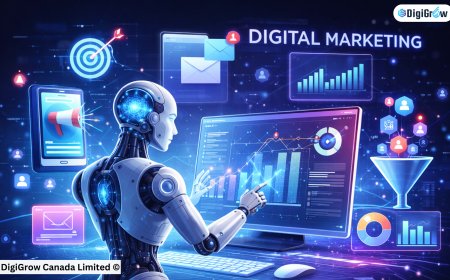
Artificial intelligence is no longer a supporting tool—it has become the backbone of modern digital marketing. In 2026, AI-powered platforms will go beyond keyword matching and demographic targeting to deeply understand consumer intent across discovery, research, and purchase stages.
According to recent research, a majority of global consumers use platforms like Google and YouTube daily, giving AI unprecedented visibility into how people search, scroll, stream, and shop. This evolution means digital marketing services must now focus on contextual relevance, not just visibility. AI-driven conversational search allows users to combine text, images, and voice to explore ideas more creatively and intuitively.
For businesses, this shift makes Generative Engine Optimization (GEO) a critical strategy. Brands must create authoritative, people-first content ecosystems that AI can trust and surface naturally. Instead of relying on isolated ad campaigns, marketers need libraries of high-quality assets that adapt dynamically to user intent.


To understand how different digital marketing approaches fit into this AI-powered future, explore this in-depth guide on digital marketing types you should know in 2026 from DigiGrow.
Present Wellbeing Is Shaping Consumer Decision-Making
One of the most significant digital marketing trends for 2026 is the shift in consumer psychology. In an era of economic uncertainty and emotional fatigue, people are prioritizing immediate value and present well-being over distant, long-term promises.
Consumers—especially younger generations—are less motivated by future outcomes and more interested in experiences, convenience, and tangible progress today. This has profound implications for digital marketing strategies. Messaging that focuses solely on “someday benefits” is losing impact, while campaigns highlighting instant rewards, flexibility, and small wins are gaining traction.
From a digital marketing services perspective, brands must rethink their value propositions. Instead of promoting only the result, successful marketers in 2026 will break customer journeys into smaller, rewarding milestones. Loyalty programs, subscription models, and digital experiences should offer frequent reinforcement that makes customers feel valued in the moment. This shift emphasizes the importance of empathetic marketing—understanding emotional needs and aligning brand communication with real human experiences.
Creative Participation Is the New Standard for Engagement
Traditional one-way brand storytelling is no longer enough. In 2026, creative participation will be a defining factor of digital marketing success. Today’s audiences, particularly Gen Z and younger millennials, are digitally native creators who expect to engage, remix, and co-create with brands.
Social and video platforms have transformed consumers into collaborators. Instead of simply watching content, users want to shape narratives, contribute ideas, and build communities around shared interests. This evolution makes creator partnerships and user-generated content essential components of digital marketing strategies.
For brands, this means moving from campaign-based thinking to ecosystem-building. Collaborating with creators who already have trust and cultural relevance allows businesses to tap into established communities. Providing audiences with creative assets—sounds, visuals, characters, or prompts—empowers participation and drives organic reach.
Digital marketing services in 2026 must therefore focus on community-led growth, where engagement is measured not just by impressions, but by interaction, contribution, and loyalty.
Nostalgic Remixing Builds Multi-Generational Connections
Nostalgia has evolved into a powerful digital marketing engine. In 2026, brands will increasingly leverage nostalgic remixing—not simply reusing old campaigns, but reimagining them for modern audiences.
Research shows that nostalgic advertising significantly increases brand likability and emotional connection. However, the real opportunity lies in blending the past with the present. Successful digital marketing strategies will audit brand archives to identify iconic elements—logos, jingles, characters—and creatively remix them with contemporary design, technology, and cultural relevance.
This approach allows brands to connect with multiple generations simultaneously. Older audiences experience familiarity and comfort, while younger consumers discover authenticity and heritage. Digital marketing services that specialize in storytelling and branding will play a crucial role in executing these emotionally resonant campaigns.
Nostalgic remixing also reinforces brand identity in a crowded digital landscape, making it easier for consumers to remember and emotionally connect with a brand.
Sustainability Messaging Must Deliver Tangible Value
Sustainability remains important, but how brands communicate it is changing dramatically. In 2026, vague sustainability claims will no longer resonate. Consumers are increasingly skeptical of broad promises and are quick to identify greenwashing.
The significance of digital marketing in this area lies in tangible, benefit-driven sustainability messaging. Instead of focusing on abstract environmental goals, brands must highlight practical advantages such as durability, energy efficiency, cost savings, and product longevity.
Digital marketing services must align sustainability with genuine consumer needs. Campaigns that show how sustainable choices improve everyday life—without preaching or exaggeration—build trust and credibility. This approach reframes sustainability as smart value rather than sacrifice. By focusing on measurable outcomes and real benefits, brands can strengthen their reputation while meeting growing regulatory and consumer expectations.
Content Authority Is Critical for Search Visibility
As AI-powered search continues to evolve, content authority will become one of the most significant ranking factors in digital marketing. Search engines are prioritizing trustworthy, experience-based, and people-first content that genuinely answers user questions.
This is where E-E-A-T (Experience, Expertise, Authoritativeness, Trustworthiness) plays a central role. Linking to credible external sources strengthens content reliability and improves search visibility. For example, this authoritative resource on types of digital marketing from SNHU provides foundational insights that support industry best practices.
In 2026, digital marketing services must prioritize depth, clarity, and relevance over volume. Brands that consistently publish high-quality, well-researched content will not only rank better but also earn long-term audience trust.
The top digital marketing trends and predictions for 2026 highlight a clear shift toward AI-driven personalization, emotional relevance, creative participation, and authentic value delivery. As consumer expectations evolve, businesses must adapt their digital marketing strategies to remain competitive and visible in an increasingly intelligent digital ecosystem.
At DigiGrow Canada Limited, we help brands navigate these changes with data-driven digital marketing services designed for long-term growth. Whether you’re looking to optimize your content strategy, leverage AI-powered campaigns, or build meaningful audience connections, expert guidance can make all the difference.
Ready to future-proof your digital marketing strategy?
Schedule a consultation directly via WhatsApp. Let’s build a smarter, stronger digital presence for 2026 and beyond.
What's Your Reaction?
 Like
0
Like
0
 Dislike
0
Dislike
0
 Love
0
Love
0
 Funny
0
Funny
0
 Angry
0
Angry
0
 Sad
0
Sad
0
 Wow
0
Wow
0